Rose Asmora: An Elegant Serif Font for Handmade Products
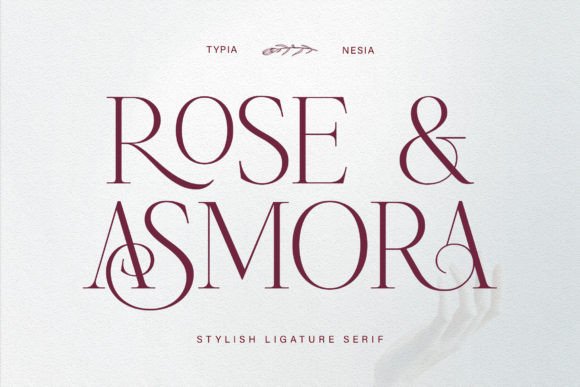
If you’ve ever spent hours searching for a typeface that feels both timeless and fresh, you know the struggle. Many serif fonts lean too far into vintage territory, while others feel sterile and corporate. That’s why I was genuinely excited to try Rose Asmora. This stylish ligature serif font immediately caught my eye because it manages to be elegant without being fussy. It has the kind of refined, classic charm that works beautifully on physical products, yet its modern edges keep it from feeling dated. As someone who runs a small handmade shop and creates printable templates, I’m always looking for fonts that can elevate my designs without making them look like everyone else’s. Rose Asmora delivers that balance in spades.
What Makes Rose Asmora Stand Out for Crafters
The first thing I noticed about Rose Asmora is its intricate ligatures and stylish serifs. These aren’t just decorative afterthoughts—they’re integrated into the font’s personality. The ligatures connect letters in a way that feels fluid and natural, making short phrases like “Rose & Lavender” or “Handmade with Love” look like they were custom-lettered. For physical product makers, this is gold. When you’re printing small labels or cutting out words on a Cricut, a font with built-in charm saves you from having to manually tweak each letter. The serifs themselves are crisp but not harsh, giving the text a grounded, readable quality even at smaller sizes. That’s rare for a display-oriented serif.
Visually, Rose Asmora falls into that sweet spot between classic and contemporary. It has the dignified posture of a traditional serif, but the letterforms are slightly relaxed, with a hint of softness that makes it approachable. The lowercase letters feel especially friendly, while the uppercase can carry a formal tone. This versatility means you can use it for a wide range of projects—from rustic farmhouse signage to modern minimalist wedding invitations—without the font feeling out of place.
Practical Uses for Handmade Labels, Stickers, and Packaging
One of my first test runs with Rose Asmora was on candle labels. I design small tins and glass jars for a local market, and I needed a font that would look premium but still hold up at 1.5 inches wide. Rose Asmora’s mid-weight strokes and open counters kept the scent names legible, even when printed on kraft paper. The ligatures added a subtle luxury feel without crowding the tiny space. For product packaging, especially for boutique items like soaps, balms, or small-batch foods, this font can instantly up the perceived value. A simple “Handcrafted” or the product name set in Rose Asmora feels intentional and high-end.
Stickers and labels are another sweet spot. Whether you’re making waterproof stickers for laptops or elegant labels for homemade gifts, Rose Asmora’s serifs hold their shape well. I tested it on a clear sticker sheet using an inkjet printer, and the fine details didn’t bleed. The font also works well for hang tags on clothing or accessories. A “100% Linen” or “Sustainably Made” tag in this serif font gives your brand a story without saying much else.
Invitations, Greeting Cards, and Wedding Stationery
If invitation design is your bread and butter, Rose Asmora needs to be in your toolkit. I used it for a set of birthday invitations with a garden theme, and the combination of formal serifs and playful ligatures perfectly matched the mix of elegance and joy. The font excels on titles and names—things like “Sophie’s 5th Birthday” or “Join Us for a Celebration” look beautiful with its flowing connections. For wedding stationery, the classic charm of Rose Asmora shines on save-the-dates, ceremony programs, and seating charts. The guest names in the “Mr. and Mrs.” type setting felt polished without being stiff.
For greeting cards, especially those with short sentimental messages, this font adds a hand-lettered feel that customers love. I created a set of floral thank-you cards using Rose Asmora for the main greeting and a simple sans serif for the inside text. The contrast was striking and made the cards feel custom-made.
Wall Art, Planners, and Digital Printables
The printable creator community will find plenty of uses for Rose Asmora. Wall art prints with inspirational quotes or family names can rely on this font to carry the design. I made a “Bless This Home” print in a 8x10 format, and the ligatures in “Bless” gave it an organic flow that felt more like a hand-lettered sign than a digital font. For planner pages, you can use Rose Asmora for headers, month names, or decorative section titles. It adds a touch of sophistication to daily or weekly layouts without overwhelming the functional elements.
Digital download sellers can package Rose Asmora into editable templates for products like resume templates, business card mockups, or social media story templates. Because the font has a clean, professional look, it transitions well from print to screen.
Practical Readability and Cutting Machine Considerations
As a Cricut user, I always test new fonts for cut clarity. Rose Asmora performed well on both vinyl and cardstock. The serifs are distinct enough that the blade has a clear path, and the ligatures don’t create disjointed islands that fall apart during weeding. For small text under 0.5 inches, I recommend sticking to the regular weight and avoiding the lightest version to maintain readability. On mugs and tote bags, the font’s mid-weight strokes transfer cleanly with heat press vinyl. I even used it for a “Coffee & Chaos” mug design, and the ligatures in “Chaos” added a fun, swooping motion that customers complimented.
For signs—whether chalkboard-style, wood-burned, or painted—Rose Asmora’s proportions make it easy to apply. The letter spacing is well-balanced, so you won’t need to manually adjust kerning for most short phrases. This saves time when you’re producing multiple signs for a market or event.
Font Pairing Ideas for Rose Asmora
To get the most out of Rose Asmora, pairing it with a secondary font is key. I’ve found that combining it with a clean sans serif like Montserrat or Lato creates a modern contrast. Use Rose Asmora for the main heading and the sans serif for body copy or secondary details. For a softer look, pair it with a handwritten script font that has a light, airy feel. The script adds an organic touch, while Rose Asmora anchors the design with its structure. If you want a more rustic farmhouse vibe, try pairing it with a bold display serif with thick slab strokes—the contrast between the delicate ligatures of Rose Asmora and a heavy slab creates visual interest.
For packaging, I often use Rose Asmora for the product name and a simple geometric sans serif for ingredient lists or directions. This keeps the label readable from a distance while still looking elegant up close.
Features to Check and Commercial Use Licensing
When you download Rose Asmora, take a moment to explore the included styles, alternates, and ligatures. Some versions may offer multiple weights, swashes, or stylistic alternates that let you customize the look further. Check the file formats (OTF, TTF, WOFF) to ensure they work with your design software and cutting machine. If the font includes multilingual support, that’s a bonus for shops serving international customers.
One of the most important steps before using any font for your products is verifying the commercial license. Rose Asmora, like many premium fonts, typically comes with a standard commercial license that allows you to use it on physical products you sell—like candles, mugs, t-shirts, stickers, and packaging. However, if you plan to sell digital templates or editable printables that include the font itself, you may need an extended license. Always read the terms included with your purchase. The same applies if you’re using the font in client work for logos or branding—ensure the license covers those use cases. Many font foundries also offer a tiered licensing system, so if you’re scaling up production, it’s wise to check that your current license covers your volume.
For my own Etsy shop, I use Rose Asmora for printed products like stickers and cards, and I’ve also built it into a few Canva templates for editable wedding invitations. In both cases, I double-checked that my license allowed for the specific distribution method. This small step protects your business and respects the designer’s work.
Why Rose Asmora Belongs in Your Font Library
Rose Asmora feels like one of those fonts that quietly solves problems. It doesn’t shout for attention, but it makes everything it touches look more put-together. Whether you’re printing small batch candle labels, designing a full wedding suite, or carving a wood sign, this font brings warmth and polish to the table. The ligatures and serifs are intentional without being distracting, and the balance of classic and modern gives you room to experiment with different styles. For crafters and sellers who value both beauty and function, Rose Asmora is a smart addition to your collection.