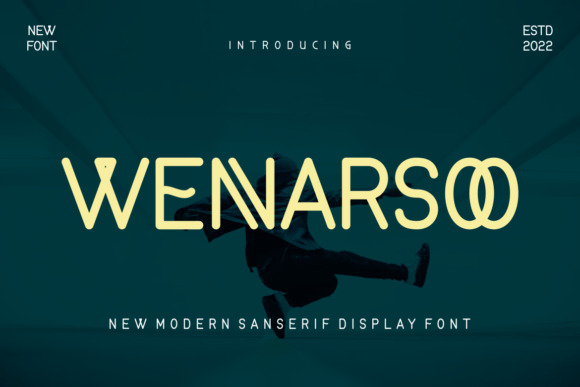
Danaela: A Modern Sans Serif for Web Design
As a web designer, I'm always on the lookout for fonts that bring both visual appeal and functional clarity to a site. Danaela has quickly become one of my go-to choices for headers and display elements. Its clean lines and subtle curves make it feel modern yet approachable, perfect for creating a professional yet friendly online presence.
Testing Danaela in a Hero Section
I recently used Danaela for a hero section on a boutique online store. The font’s boldness made the headline stand out without overwhelming the rest of the design. It paired beautifully with a simple sans serif for the body text, creating a clear visual hierarchy. The contrast between the two fonts helped guide the user’s eye naturally from the main message to the supporting details.
The font’s weight and spacing were consistent across different screen sizes, which is crucial for responsive design. On mobile devices, Danaela remained legible and didn’t appear too cramped, even when placed over a dark image background. This made it ideal for a landing page where the headline needed to pop against a busy backdrop.
Using Danaela for Call-to-Action Buttons
Danaela also works well as a call-to-action button font. Its sharp edges and balanced proportions give it a confident look, which aligns with the purpose of a CTA. When paired with a soft gradient or subtle shadow, it adds a touch of sophistication without sacrificing readability.
I tested it on a few different button styles, and it held up well in both light and dark themes. The font’s minimal stroke variation ensures it remains visible on a wide range of backgrounds. For a more dramatic effect, I added a slight underline or border, which enhanced its visual impact without making it hard to read.
Pairing Danaela with Other Fonts
While Danaela shines on its own, it also pairs nicely with other fonts. I often use it alongside a clean sans serif like Lato or Open Sans for body copy. This combination creates a balanced look that feels both modern and readable.
For editorial-style websites, pairing Danaela with a serif font like Georgia or Merriweather can add a touch of elegance. The contrast between the two fonts helps differentiate headings from body text while maintaining a cohesive design language.
If the project calls for a more casual or handwritten feel, I might pair Danaela with a script font like Great Vibes or Lobster. This works especially well for personal blogs, creative portfolios, or brand identities that want to feel more human and authentic.
Considerations for Web Use
Danaela is best suited for short phrases, headlines, and decorative elements rather than long blocks of text. Its refined style makes it less ideal for body copy, especially in accessibility-heavy interfaces or dense dashboard layouts. That said, it can still be used effectively in small amounts, such as in navigation menus or form labels, if the design is carefully considered.
When using Danaela on a website, it’s important to check the available weights and styles. Some fonts come in multiple variations, which can help with visual interest and layout flexibility. Also, ensure that the font is available as a webfont (like WOFF or WOFF2) so it loads quickly and renders smoothly across all devices.
Another consideration is multilingual support. If the website serves an international audience, make sure Danaela includes characters for all the languages used. This avoids unexpected rendering issues and keeps the design consistent across regions.
Final Thoughts on Danaela
Danaela is a versatile and stylish font that brings a modern edge to any digital project. Whether you're designing a portfolio site, a product landing page, or a brand identity, it offers a fresh alternative to more common sans serifs. Its clean lines and subtle personality make it a great choice for headers, buttons, and decorative accents.
As a web designer, I appreciate how Danaela balances aesthetics with usability. It doesn’t try too hard to be flashy, but it still manages to catch the eye. With the right pairing and thoughtful implementation, it can elevate a website’s design while keeping the user experience smooth and intuitive.